If you are missing teeth or tired of loose dentures, this guide will help you decide if implants of teeth are right for you. You’ll get a simple definition, who makes a good candidate, what the procedure involves, the benefits and risks, and how to pay for treatment. By the end, you should have a clearer idea whether implants of teeth in Naples, FL are a good fit for your mouth and lifestyle.
What are implants of teeth?
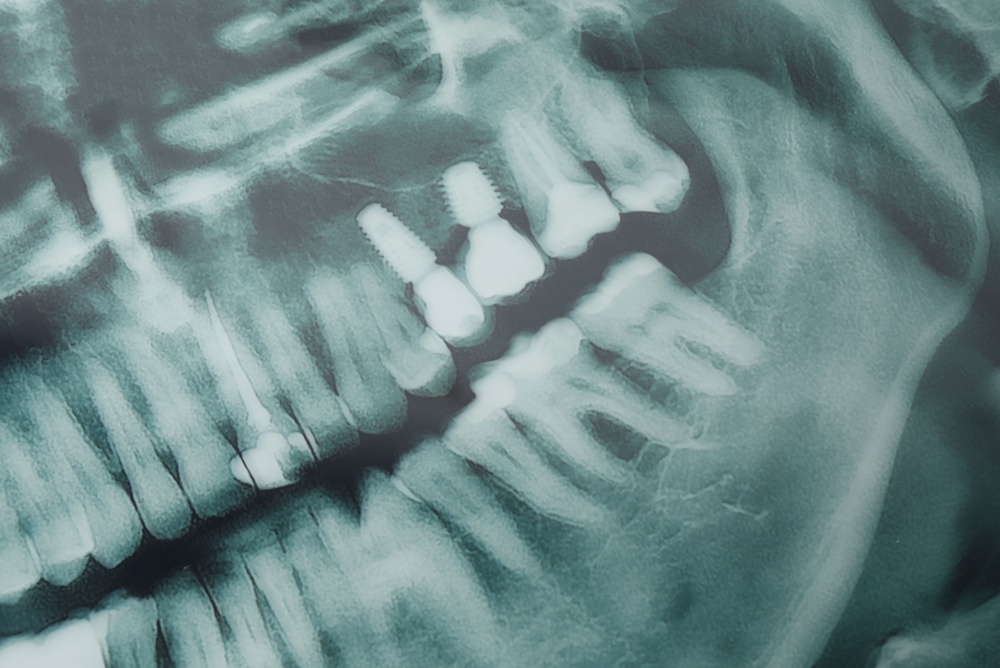
Implants of teeth are small titanium posts placed into the jawbone to act like tooth roots. An abutment attaches to the post and a crown or prosthetic is fixed on top. Together, the post, abutment, and crown restore chewing, speech, and appearance. Because the implant bonds with bone (osseointegration), it feels and functions more like a natural tooth than a bridge or denture.
Who is a good candidate for implants of teeth?
Bone and oral health
Good candidates have healthy gums and enough jaw bone to hold the implant. If bone is thin or missing, a bone graft can often rebuild the area so an implant will fit. Your dentist will check X-rays or a CBCT scan to measure bone and plan treatment.
Medical conditions and habits
Certain health issues affect healing. Well-controlled diabetes is usually OK, but uncontrolled diabetes can increase infection risk. Smoking reduces implant success and dentists often advise quitting before and after surgery. Some medications, like certain bone drugs, may require review with your dentist or physician.
Age and dental history
Adults of almost any age can get implants of teeth. Younger patients must have finished jaw growth. Implants can replace one tooth, several teeth, or support a full-arch restoration (all-on-4/implant overdenture) depending on your needs and dental history.
The implants of teeth procedure: what to expect
Consultation and planning
Your dentist will do an exam, take X-rays or a CBCT scan, and make a personalized plan. This includes tooth replacement options, number of implants needed, and whether grafting or extractions are required.
Surgery and restoration
Implant surgery places the titanium post into bone. Healing takes weeks to months while bone fuses to the implant. After healing, an abutment and crown or a prosthetic are placed. In some cases, same-day crown technology allows a temporary or final restoration much sooner.
Benefits and long-term outcomes of implants of teeth
Implants restore strong chewing, help preserve jawbone, and look natural. They don’t rely on neighboring teeth like bridges do. With good care, implants often last many years—commonly 10–30 years or longer. Regular brushing, flossing, and dental check-ups keep them healthy.
Risks, recovery, and aftercare for implants of teeth
Short-term issues include swelling, bruising, and soreness. Watch for signs of infection: increased pain, pus, fever, or loose implants. Good oral hygiene, quitting smoking, and attending follow-ups reduce risks. Your dentist will give clear aftercare steps and when to call if problems arise.
Cost and payment options for implants of teeth
Costs vary by number of implants, need for grafting, type of restoration, and whether a specialist is involved. Insurance may cover part of the crown or related treatments but often not the implant itself. Common payment options include dental insurance, monthly financing, in-office plans, and third-party lenders.
Considering implants of teeth? About Dr. Richard J. Garcia, DMD
Dr. Richard J. Garcia has provided dental care in Naples, FL since 1998. His practice offers dental implants, E4D same-day crowns, laser surgery, and personalized treatment planning. If you’re thinking about implants of teeth in Naples, FL, schedule a consultation to review your health, X-rays, and a custom plan to see if implants are right for you.